Yes, AAPA’s House of Delegates adopted policy HP-3700.3.1 in 2001, which outlines key guidelines for PAs working internationally. For more details, refer to the full text of the policy guidelines.

Global Health FAQs
Our global partners are committed to advancing healthcare across diverse regions, ensuring access to quality medical care, and addressing pressing health challenges. Below is an overview of our partner organizations, highlighting their missions and contributions to global health.
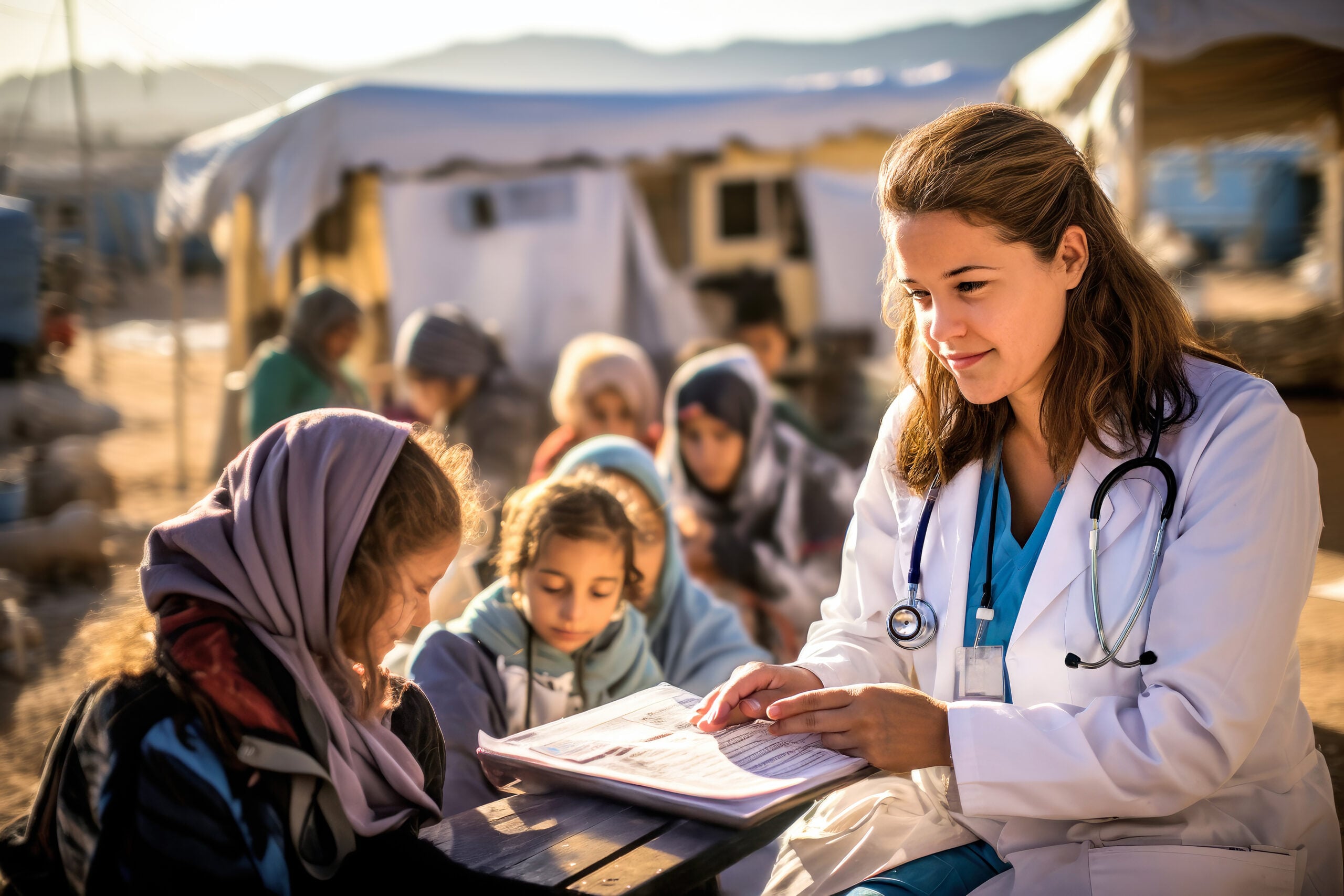
Yes, PAs can work internationally, though there are certain limitations. PAGH maintains a comprehensive list of countries that recognize PAs or have similar professions. To explore available opportunities, check out our Opportunities Database for detailed information.
Absolutely! PAs can take part in both short-term and long-term medical volunteer trips. Many organizations actively organize medical missions and value the contributions of PAs during these activities.
Technically, yes. PAs work collaboratively with supervising physicians, who help fill gaps in training or expertise.
Volunteering Abroad: For volunteer activities, your U.S. license is typically sufficient, provided it meets the organization’s requirements.
If you’re targeting a country that doesn’t yet recognize PAs, contact the Ministry of Health for guidance on applicable laws and regulations. PAGH can assist you in researching specific licensure details for lesser-known regions.
Yes, PAs can be deployed internationally through U.S. government agencies or private entities. For further details, visit our Opportunities Page.
Introducing PAs to a country without an established profession requires collaboration with the country’s health workforce agency. This may involve launching a pilot or demonstration project to showcase the role of PAs.
Begin by connecting with the Ministry of Health in the host country, as they can advise on procedures and policies related to new health workforce initiatives. PAGH is happy to connect you with experienced professionals in this area for further guidance.
For information on the American Academy of Physician Associates’ (AAPA) stance, you can visit their FAQ page dedicated to PAs working internationally. PAGH, as a constituent organization of AAPA, is also highly recommended for those interested in global PA opportunities.
No, U.S. licensure requires that you graduate from an ARC-PA-accredited program, pass the Physician Assistant National Certifying Exam (PANCE), and obtain state licensure.
If you’re looking for U.S.-based PA programs, we recommend contacting the PA Education Association (PAEA) for assistance.
Yes, AAPA’s House of Delegates adopted policy HP-3700.3.1 in 2001, which outlines key guidelines for PAs working internationally. For more details, refer to the full text of the policy guidelines.